GSC Branding
Files and the story behind the design
Art is science in love.
— E.F. Weisslitz

contents
- 1 · Logo
- 1.1 · Download logo files
- 1.2 · Lettermark badge
- 1.3 · Lettermark
- 1.4 · Combination mark — vertical, centered
- 1.5 · Combination mark — vertical, centered, tagline
- 1.6 · Combination mark — vertical, left-aligned
- 1.7 · Combination mark — horizontal
- 1.8 · PHSA and GSC Combination mark — vertical, centered
- 1.9 · PHSA and GSC Combination mark — vertical, left-aligned
- 1.10 · PHSA and GSC Combination mark — horizontal
- 1.11 · ASCII
- 1.12 · Story behind the logo
- 2 · Color palette
- 2.1 · Color table
- 2.1.1 · Primary colors
- 2.1.2 · Secondary colors
- 2.1.3 · Tertiary colors
- 2.1.4 · Neutral warm colors
- 2.1.5 · Neutral cool colors
- 2.2 · Wall paint colors
- 2.3 · Download color files
- 3 · Desktop background
There are five logo formats: letterform badge (for tight spaces), letterform, and combination form (vertical centered, vertical left and horizontal).
Don't shrink the artwork. Don't change its aspect ratio.
Each has a minimum size for physical reproduction that ensures that that the combination form font size is at least 8 pt. These sizes are listed below.
At minimum size, the size of the “GSC” letters is
The logo files (PNG 2400dpi, PDF, SVG) for each logo type are provided at the corresponding minimum size.
The only time you need to worry about minimum size is when composing on letter (or smaller) artboards.
Use in tight spaces when the light has gone out.


For normal scenarios.


For cases where a center axis is desired.


For cases where a center axis is desired.


For cases where layout demands a left beginning.


For cases where vertical space is lacking.


For cases where a center axis is desired.
The GSC is a programme of our parent organization, the Provincial Health Services Authority (PHSA).
The PHSA logo is scaled so that the height of the province is the same as the height of the GSC lettermark. For details about PHSA branding, see the PHSA branding guidelines.


For cases where layout demands a left beginning.


For cases where vertical space is lacking.


A variety of ASCII logos: 24 30 38 45 52 60 67 74 80 columns.
Below is the 80-column version of our logo.
         .^7J5PGGP5?~:          .^7J5PGGPY?~:          .^7J5PGGPY?~.
       ~P&@@@@@@@@@@@@@@#J:   ~P&@@@@@@@@@@@@@@#J.   ~P&@@@@@@@@@@@@@@B?.
    .5@@@@@@@@@@@@@@@@@@@@@#P@@@@@@@@@@@@@@@@@@@@@#P@@@@@@@@@@@@@@@@@@@@@#~
   J@@@@@@@@@@@@@@@@@@@@@@@@@@@@@@@@@@@@@@@@@@@@@@@@@@@@@@@@@@@@@@@@@@@@@@@#:
  #@@@@@@@@@@@@@@@@@@@@@@@@@@@@@@@@@@@@@@@@@@@@@@@@@@@@@@@@@@@@@@@@@@@@@@@@@@7
 #@@@@@@@@@@@P!^::~?#@@@@@@@@@@@@@@@P!^::~J#@@@@@@@@@@@@@@@P!^::~J#@@@@@@@@@@@~
7@@@@@@@@@@5         :&@@@@@@@@@@@Y         :&@@@@@@@@@@@Y         ^&@@@@@@@@@&
#@@@@@@@@@G           .@@@@@@@@@@P           .@@@@@@@@@@5           .@@@@@@@@@@^
&@@@@@@@@@7            #@@@@@@@@@!            &@@@@@@@@@!            &@@@@@@@@@~
&@@@@@@@@@7                                   &@@@@@@@@@!            &@@@@@@@@@~
&@@@@@@@@@7                                   &@@@@@@@@@!            &@@@@@@@@@~
&@@@@@@@@@7                                   &@@@@@@@@@!            &@@@@@@@@@~
&@@@@@@@@@7            #@@@@@@@@@!            &@@@@@@@@@!            &@@@@@@@@@~
&@@@@@@@@@7            &@@@@@@@@@7            &@@@@@@@@@!             .........
&@@@@@@@@@7            &@@@@@@@@@7             .~JG&@@@@!
&@@@@@@@@@7            &@@@@@@@@@7                  .7B@!
&@@@@@@@@@7            B@@@@@@@@@#                     .
&@@@@@@@@@7            ^@@@@@@@@@@&~
&@@@@@@@@@7             Y@@@@@@@@@@@@B5YJJ7~:
&@@@@@@@@@7              J@@@@@@@@@@@@@@@@@@@@&P~
&@@@@@@@@@7               :#@@@@@@@@@@@@@@@@@@@@@@G:
&@@@@@@@@@7                 ^G@@@@@@@@@@@@@@@@@@@@@@G.
&@@@@@@@@@7                    ^YB&@@@@@@@@@@@@@@@@@@@~
&@@@@@@@@@7                        .:^~~!?P&@@@@@@@@@@@^
&@@@@@@@@@7                                 !@@@@@@@@@@&
&@@@@@@@@@7                                  :@@@@@@@@@@^
&@@@@@@@@@7                                   &@@@@@@@@@!
&@@@@@@@@@7                                   &@@@@@@@@@!
&@@@@@@@@@7     .###############&~            &@@@@@@@@@!
&@@@@@@@@@7     :@@@@@@@@@@@@@@@@7            &@@@@@@@@@!
&@@@@@@@@@7     :@@@@@@@@@@@@@@@@7            &@@@@@@@@@!            ~!!!!!!!!!.
&@@@@@@@@@7     :@@@@@@@@@@@@@@@@7            &@@@@@@@@@!            @@@@@@@@@@!
&@@@@@@@@@7     :@@@@@@@@@@@@@@@@7            &@@@@@@@@@!            &@@@@@@@@@!
&@@@@@@@@@7      ......&@@@@@@@@@7            &@@@@@@@@@!            #@@@@@@@@@~
&@@@@@@@@@7            &@@@@@@@@@7            &@@@@@@@@@!
&@@@@@@@@@7            &@@@@@@@@@7            &@@@@@@@@@!
&@@@@@@@@@7            &@@@@@@@@@7            &@@@@@@@@@!
&@@@@@@@@@7            &@@@@@@@@@7            &@@@@@@@@@!            &@@@@@@@@@~
&@@@@@@@@@?            &@@@@@@@@@7            &@@@@@@@@@!            @@@@@@@@@@~
G@@@@@@@@@#           ~@@@@@@@@@@#           ~@@@@@@@@@@#           !@@@@@@@@@@:
^@@@@@@@@@@&~       .J@@@@@@@@@@@@#^       .Y@@@@@@@@@@@@#^       .Y@@@@@@@@@@#
 Y@@@@@@@@@@@&B5JYP#@@@@@@@@@@@@@@@@&B5JYP#@@@@@@@@@@@@@@@@&B5JYP#@@@@@@@@@@@@.
  J@@@@@@@@@@@@@@@@@@@@@@@@@@@@@@@@@@@@@@@@@@@@@@@@@@@@@@@@@@@@@@@@@@@@@@@@@&.
   :#@@@@@@@@@@@@@@@@@@@@@@@@@@@@@@@@@@@@@@@@@@@@@@@@@@@@@@@@@@@@@@@@@@@@@@J
     ^G@@@@@@@@@@@@@@@@@@@&J^G@@@@@@@@@@@@@@@@@@@&?~G@@@@@@@@@@@@@@@@@@@&?.
        ~5#&@@@@@@@@@@&G?:     ~5#&@@@@@@@@@@&G?:     ~5#@@@@@@@@@@@&G?.
            .:^~!~~^.              .:^~~~~^.              .:^~~~~^.
Our logo is based on the geometry of human chromosome 19.
This chromosome contains many genes essential to all forms of life and is our most conserved chromosome across species.
It is also most densely packed with genes that are causally implicated in cancer and listed in the Cancer Gene Census. The chromosome has 6% of CGC genes (43/759) but comprises only 2% of the genome. Its CGC gene density is 0.73 genes/Mb — 130% denser than the next densest chromosome (17).
Read the full story behind the design.

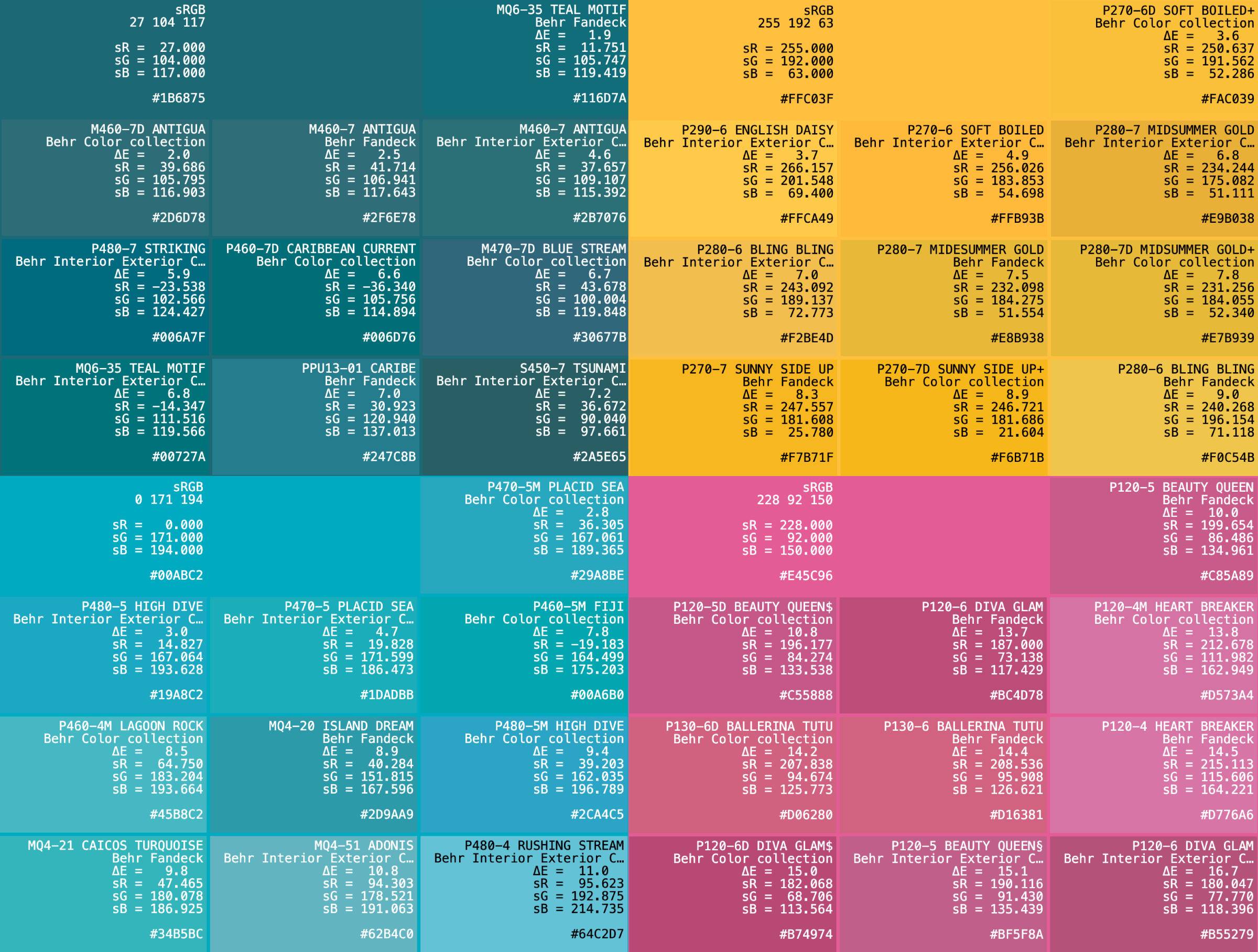
Energetic, but grounded.
I've selected the colors based on how they look in my Pantone Solid Uncoated (PMS U) color book.
Lab and RGB values are from Pantone Solid Uncoated v5. CMYK conversions are from Pantone Bridge Uncoated (UP) v5.

LCH is cylindrical Lab. You can use this space to alter perceptual lightness (L) and saturation (chroma, C) for applications where quantitative mapping to color is needed.
For logos, titles and top-level backgrounds.
4 shades of primary colors for accents.
For accents.
For contrast.
For cozy gray days.
For rainy gray days.
Paint your walls with GSC colors.
Consequences of missing data
Either I've been missing something or nothing has been going on. —Karen Elizabeth Gordon
Missing data are everywhere. Subjects may decline to participate in a survey or fail to answer sensitive questions. A cell culture might fail due to contamination. Instrument failures or mishandling of a sample may lead to missing observations. But why are missing data a problem?
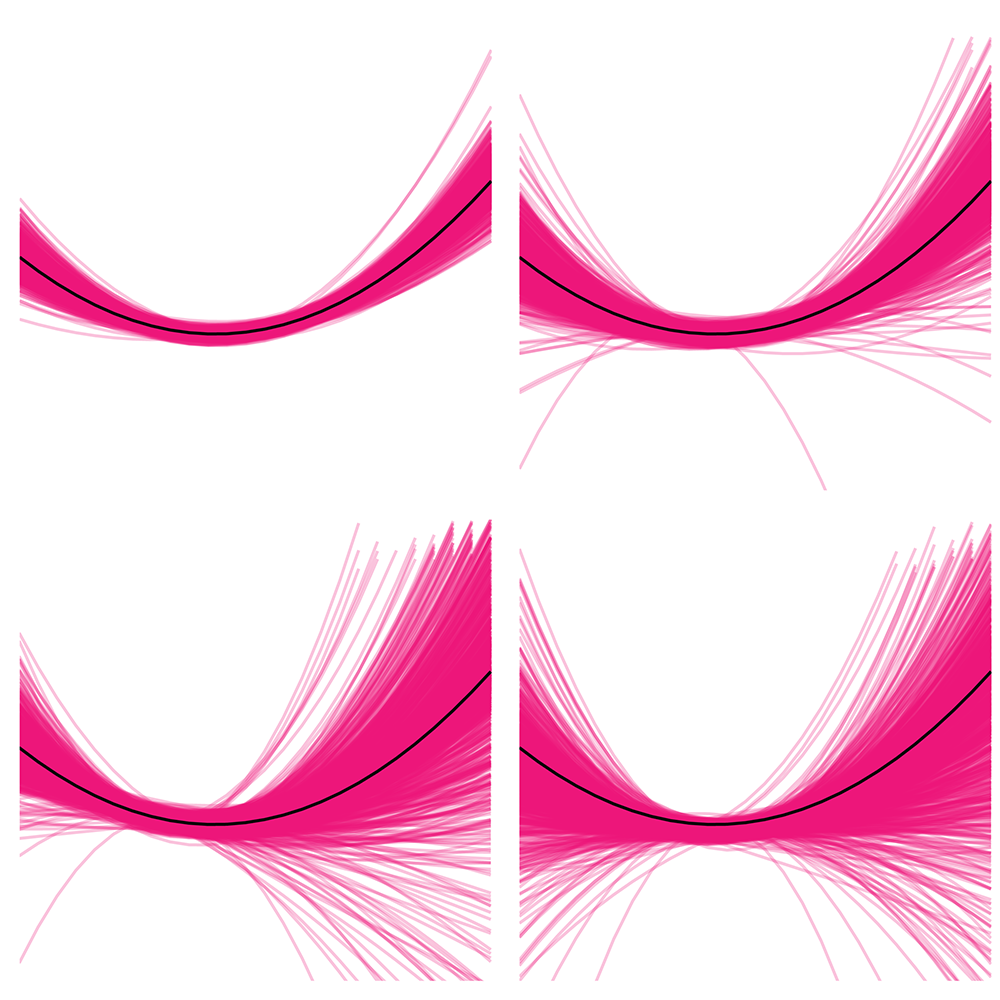
This month, we begin a series of articles about practical and statistical aspects of missing data. We'll see that missing data can increase variability and introduce bias and we will ask whether anything can be done to mitigate these consequences. It turns out that, in the case where we know nothing about the missing subjects, no mitigation is possible. We must accept higher variability and, if we have a suspicion that the missing subjects aren’t completely random, possible bias as well.
Tanujit Dey, T., Lipsitz, S.R., Fitzmaurice, G., Krzywinski, M. & Altman, N. (2026) Points of significance: Consequences of missing data. Nat. Methods 23:1661–1663.
Double Robustness
It is not certain that everything is uncertain. —Blaise Pascal
We have already explored how we can mitigate bias caused by confounding variables in observational studies using propensity score (PS) matching (PSM) and propensity score weighting (PSW). However, any statistical model is only as good as its assumptions and, if it is specified incorrectly, it can itself produce biased estimates of the treatment effect.
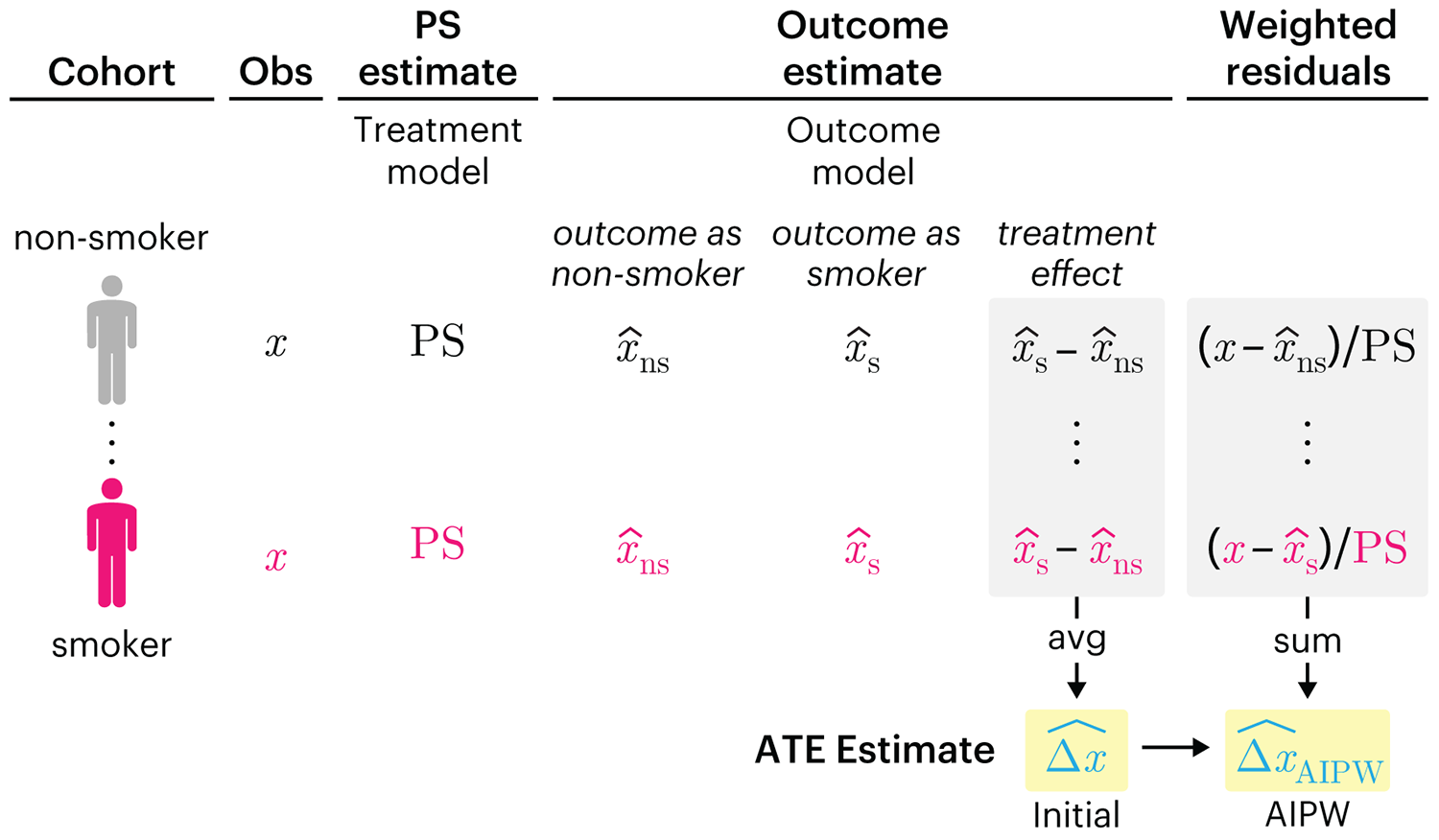
This month, we explore double robustness, a powerful statistical concept that provides a valuable “safety net” against the risk of an incorrect model. It offers two opportunities, instead of just one, to obtain a valid estimate of the treatment effect — making it possible to draw credible causal inferences from observational data without having to depend on a single set of modeling assumptions.
Kurz, C.F., Krzywinski, M. & Altman, N. (2026) Points of significance: Double Robustness. Nat. Methods 23:868–869.
Nature Biotechnology cover
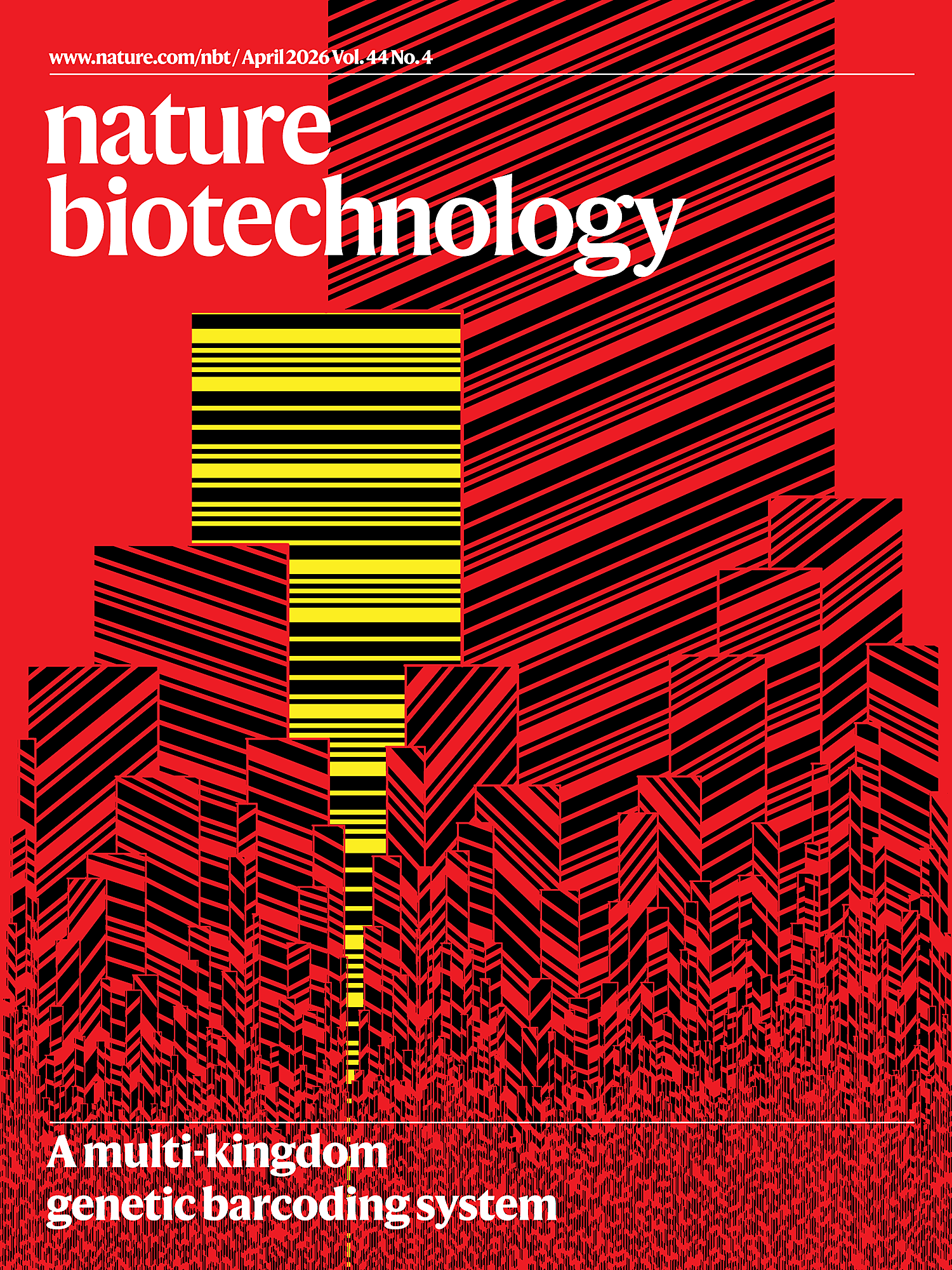
My cover design on the 7 April 2026 Nature Biotechnology issue shows the dendrogram that represents a cluster of uniquely expressed (or downregulated) genes in human naive stem cells induced from such cells. Within each dendrogram block, the genomic barcode sequence (sampled from Supplementary Table 1) is depicted with a Code 39 barcode. The highlighted barcode is one of those used for cell isolation.
Ishiguro S. et al. A multi-kingdom genetic barcoding system for precise clone isolation (2026) Nature Biotechnology 44:616–629.
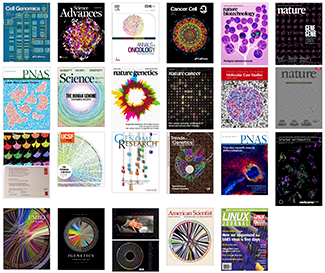
Browse my gallery of cover designs.
Happy 2026 π Day—
Art for the 5%
Celebrate π Day (March 14th) and enjoy the art — but only if you're part of the 5%.
Go ahead, see what you can't see.

Ishihara's Tests for Colour Deficiency
Authentic and accurate images of Ishihara's test plates photographed (and lovingly color-corrected) from the 38-plate Ishihara's Tests for Colour Deficiency.
I also provide the position, size, and color of each circle on each test plate.

